Getting Your Naples Home Ready for Snowbird Season: A Room-by-Room Checklist
If you’re a part-time Naples resident, snowbird season means one thing before anything else: making sure the home you’ve been away from all summer is actually ready to live in. Florida homes don’t do well sitting closed up for months at a time. Heat, humidity, and an idle AC system can turn a “quick check” into a list of repairs if nothing gets inspected before you settle back in.
The short answer: before you arrive, check your AC system, water heater, and plumbing for leaks or mold risk, test all fixtures and appliances that sat unused, inspect the exterior and lanai for storm season wear, replace smoke/CO detector batteries, and confirm your irrigation and pool equipment are working. Most of this takes a few hours — or one visit from a handyman — and it prevents the surprises that show up after a home has been closed up since spring.
Here’s the full breakdown.
Why Naples Homes Need a Season-Opening Check
Naples homes that sit empty from roughly May through October go through an entire hurricane season, months of high humidity, and an AC system running on a minimal setting (or off entirely). That combination is exactly what causes the most common “welcome back” problems: musty odors, mineral buildup in faucets, dead batteries in safety devices, and small leaks that had months to turn into water damage. A short pre-arrival checklist catches almost all of it before it becomes a bigger repair.
1. AC System and Air Quality
Your AC did the least glamorous but most important job all summer: keeping humidity down so mold doesn’t take hold. Before you arrive or right after you land:
- Replace the air filter — it’s likely overdue after months of continuous or minimal-setting operation
- Check the condensate drain line for clogs (a common cause of AC shutdowns and ceiling leaks in Florida homes)
- Listen for unusual noises or weak airflow when the system kicks on
- Check closets, under sinks, and around windows for musty smells or visible mold, especially if the thermostat was set above 78–80°F while you were away
2. Water Heater and Plumbing
Water that sat still for months is a plumbing system’s least favorite thing.
- Run every faucet for a minute to clear stagnant water and check for weak pressure or discoloration
- Check under every sink and around every toilet base for slow leaks that could have started while the home was empty
- Test toilet flappers and fill valves — these are common failure points after long idle periods
- Flush the water heater if it’s been sitting unused, and check the area around it for corrosion or moisture
3. Fixtures, Fans, and Electrical
- Test every ceiling fan — months of humidity and dust are hard on motors and bearings
- Check light fixtures and switches, especially outdoor fixtures exposed to a full summer of heat and rain
- Replace batteries in every smoke and carbon monoxide detector — this is one of the most skipped steps and one of the most important
- Test GFCI outlets in bathrooms, kitchens, and outdoor areas
4. Exterior, Lanai, and Storm Season Wrap-Up
Naples just came through the tail end of hurricane season, so this is the right time to check what the summer left behind.
- Inspect the lanai screen for tears or loose panels
- Check exterior caulking around windows and doors — summer heat and storms both accelerate wear
- Look at the roof, gutters, and downspouts for debris or damage
- If you have shutters or storm panels, this is a good time to confirm they’re in working order and easy to access for next season, rather than waiting until a storm is already forecast
5. Pool, Irrigation, and Landscaping
- Confirm pool equipment (pump, filter, heater) is running properly if you have a pool that was on a reduced summer schedule
- Test your irrigation system’s zones and timer — Naples’ rainy season often means it was barely used
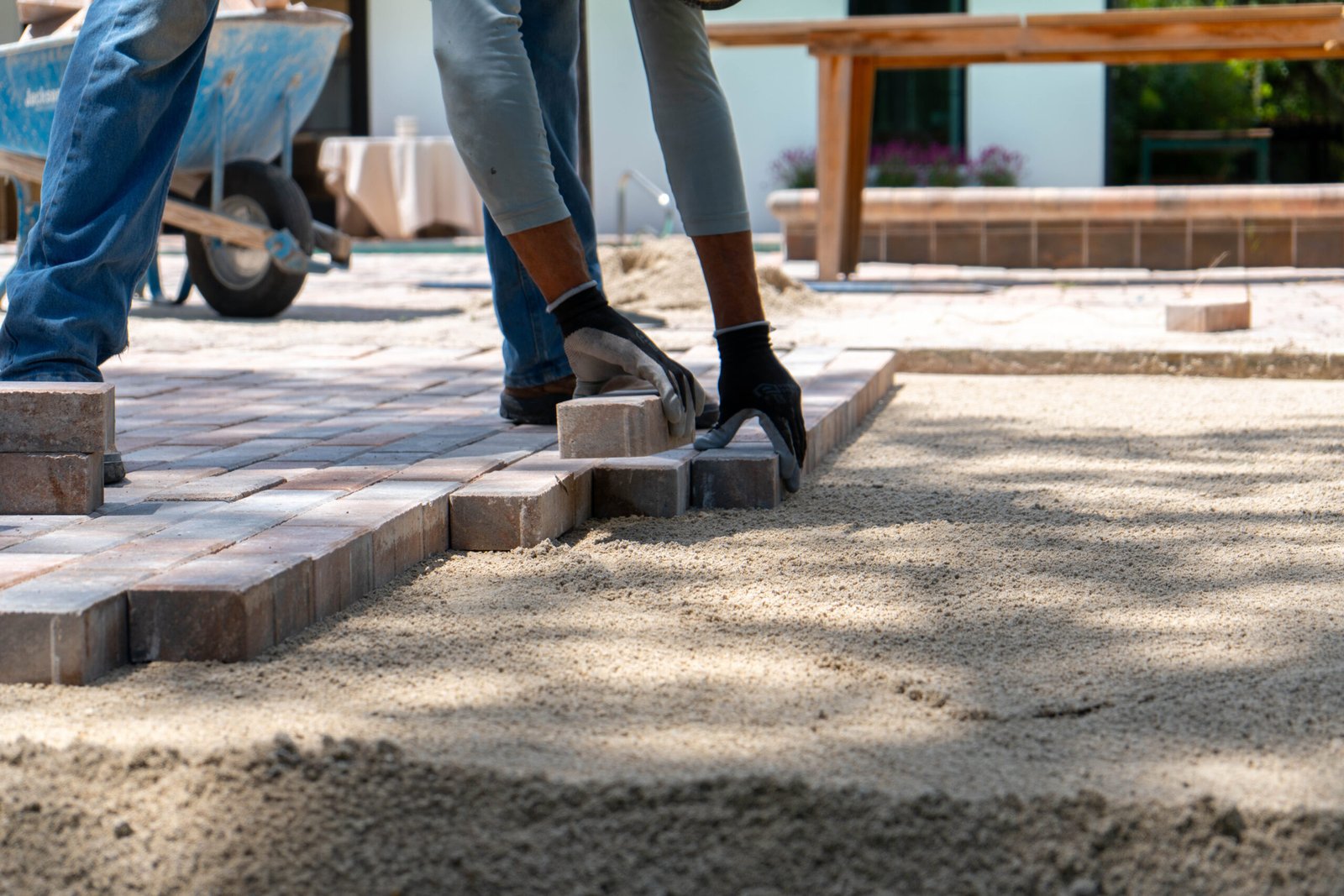
- Check paver patios, walkways, and pool decks for weeds pushing through joints or settling that happened over the summer
6. General Walkthrough
- Check for pests — closed-up Florida homes are an easy target over a quiet summer
- Test the garage door opener and safety reverse sensors
- Confirm appliances (washer, dryer, dishwasher, refrigerator) are running normally after months of light or no use
- Check door seals and weatherstripping — worn seals let humidity in and make your AC work harder all season
When to Call a Handyman Instead of DIY-ing the Whole List
Most of this checklist is manageable on your own with an afternoon and a flashlight. Where it makes sense to bring in a professional is when you find something on the list rather than just checking a box — a slow leak, a fan that won’t start, a fixture that needs replacing, caulking that’s failed, or a longer list of small repairs that would eat up your first week back instead of letting you actually enjoy it.
That’s the gap Zagorodniy Handyman & Remodeling fills for Naples homeowners every season: a single visit that covers the fixture repairs, faucet replacements, ceiling fan work, light fixture installation, caulking, and general maintenance items that pile up while a home sits empty — so your first week back is spent settling in, not troubleshooting.
Ready to get your home checked out before or right after you arrive? Contact us or give us a call today at (239) 296-2367.
Frequently Asked Questions
When should I start preparing my Naples home for snowbird season?
Ideally, a few weeks before you plan to arrive, or immediately upon arrival if the home wasn’t checked beforehand. Scheduling AC service, plumbing checks, and any needed repairs before peak season (November through March) also means shorter wait times than if you wait until the season is already underway.
What’s the biggest risk to a Naples home left empty over the summer?
Humidity-related issues — mold, musty odors, and AC strain — cause more problems than anything else. A functioning AC system running consistently is the single best thing to prevent this.
Do I need to flush my water heater after being away for months?
It’s a good habit if the home was unoccupied for an extended period, especially in older units. Sediment builds up faster when a system sits idle, and it’s a quick task to have checked during a general home walkthrough.
How often should smoke and CO detector batteries be replaced in a seasonal home?
At minimum, at the start of each season you return, even if the batteries “should” still be good — it’s the cheapest safety check on this entire list.
Can a handyman service handle a full home reopening checklist in one visit?
Yes. A single scheduled visit can cover fixture and fan checks, faucet and plumbing inspection, light fixture repairs, caulking, and general maintenance items, which is usually more efficient than tackling each item separately.