Paver Patios vs. Concrete: Which Is Right for Your Southwest Florida Backyard?
When it’s time to upgrade your outdoor space, the paver-vs-concrete decision is one of the first — and biggest — choices you’ll make. Both materials can give you a beautiful patio, but here in Naples and the surrounding area, our sandy soil, heavy summer rain, and relentless sun put outdoor surfaces through a different kind of stress test than they’d face almost anywhere else.
Here’s how the two options actually stack up once you factor in our Southwest Florida climate.
What’s the Difference?
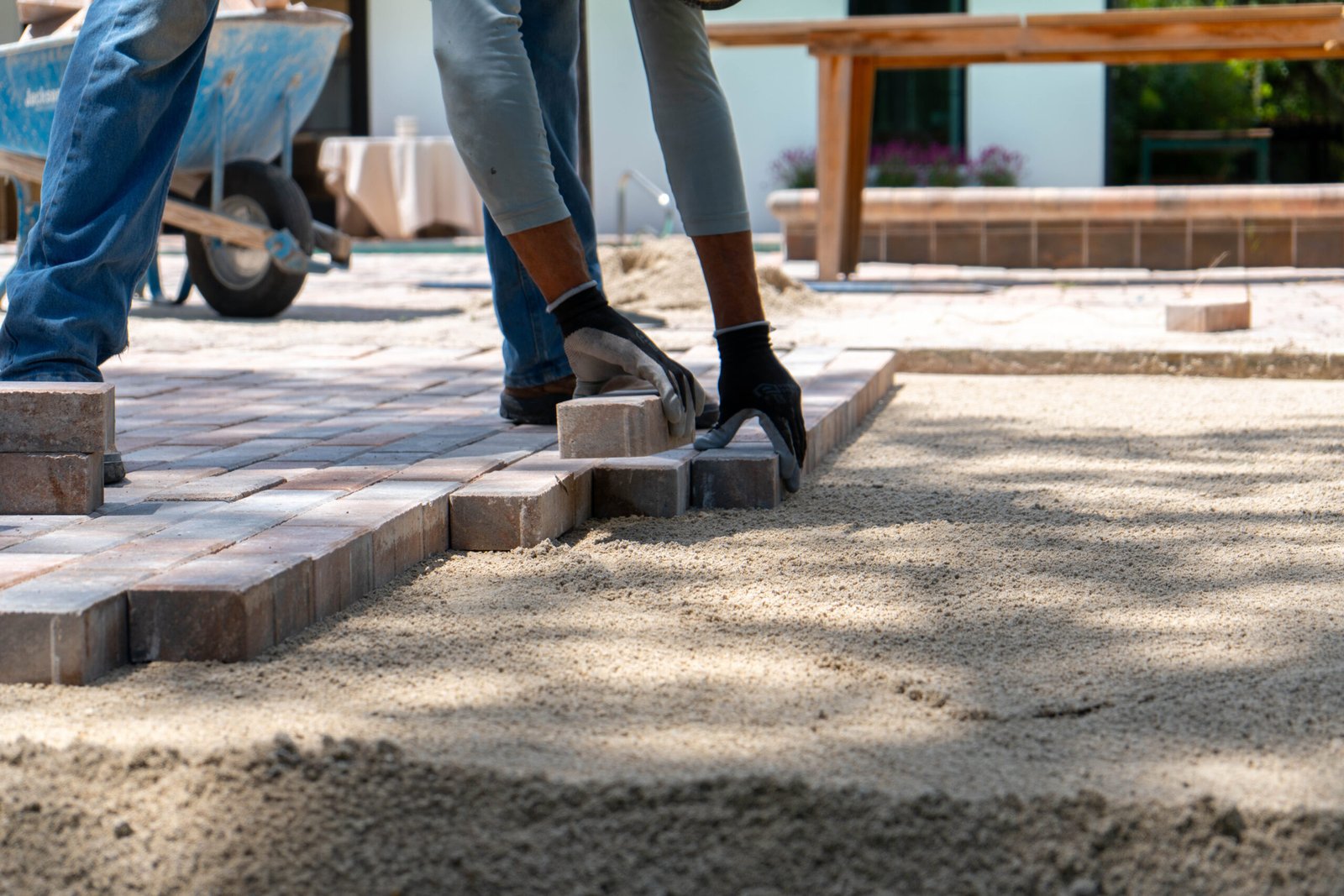
Poured concrete is a single continuous slab, formed and poured on-site, then finished smooth, stamped, or stained. Pavers are individual interlocking stones — concrete, brick, or natural stone — set into a compacted base and locked together with sand in the joints. That one structural difference (one solid piece vs. many individual pieces) is what drives almost every other difference on this list.
Comparing the Two Where It Matters Most
Heat & Comfort
Florida sun turns dark, plain concrete into a surface you can’t cross barefoot by midafternoon. Pavers come in lighter colors and textures that reflect more heat, and because most paver installations use lighter tones than a standard gray slab, they generally stay noticeably cooler underfoot.
Cracking & Ground Movement
Southwest Florida’s sandy soil shifts more than you’d think — especially through our wet season. A poured slab is rigid, so when the ground beneath it settles unevenly, it cracks as one piece, and that crack is there for good. Pavers flex independently with the ground, so minor shifting is absorbed at the joints instead of splitting the surface.
Drainage & Flooding
Anyone who’s lived through a Naples summer knows how fast a downpour can dump water. A solid concrete slab needs to be sloped correctly from day one, or water pools and sits. Paver joints are naturally permeable, letting water drain through into the base rather than sheeting across the surface — a real advantage during our rainy months.
Repairs
If a corner of a concrete patio cracks, sinks, or stains, your only real fix is patching it — and a patch on concrete almost always looks like a patch. With pavers, we can lift the individual stones that are damaged, fix the base underneath, and reset them without touching the rest of the patio.
Cost
Concrete typically costs less upfront per square foot. Pavers cost more to install initially, but they tend to even out over time: repairs are cheaper and more targeted, and a well-maintained paver patio can outlast a slab that eventually needs full replacement.
Style & Customization
Concrete can be stamped or stained to mimic other materials, but the options are limited once it’s poured. Pavers come in a wide range of colors, shapes, and patterns, and can be reconfigured or expanded later — useful if you think you might extend the patio or add a fire pit area down the road.
So Which One Should You Choose?
If you want the lowest upfront cost and a simple, clean look for a smaller space, concrete is a solid choice. If you’re planning to spend a lot of time on the patio, want it to hold up to our rainy season and shifting soil with less risk of a permanent crack, or want more design flexibility, pavers are usually the better long-term investment for homes in our area.
Need a Hand?
Whether you’re leaning toward a custom paver patio or want a professional opinion on which option fits your yard and budget, we’re happy to help you weigh the options.
Contact Zagorodniy Handyman & Remodeling or call (239) 296-2367 today to schedule your paver pad or patio installation. We’ll help you build an outdoor space that’s built to handle everything Southwest Florida throws at it.