Permits 101: When Does a Naples Home Project Actually Need One?
You found the perfect tile, picked a paint color, and maybe even lined up a crew. Then the question hits: do I actually need a permit for this?
In Naples, the answer depends on three things: what you are changing, where your house sits (City of Naples or unincorporated Collier County), and whether your property is in a flood zone. Get it wrong and you can face stop-work orders, multiplied fees, insurance headaches, and a messy home sale years later.
This guide walks through exactly which Naples home projects need a permit, which ones don’t, and the new 2026 state law that changed the rules for small jobs. It is written by a licensed Naples general contractor who works with both building departments.
Step one: who issues your permit?
Before anything else, figure out which building department covers your address. A “Naples” mailing address does not mean you are in the City of Naples.
- City of Naples: covers Old Naples, Port Royal, Aqualane Shores, Park Shore, the Moorings and other neighborhoods inside city limits. Permits go through the City of Naples Building Department, 295 Riverside Circle, (239) 213-5020.
- Unincorporated Collier County: covers most other “Naples” addresses, including North Naples, East Naples, Golden Gate, Pelican Bay, Vineyards and Lely. Permits go through Collier County Building Plan Review & Inspection, 2800 N. Horseshoe Drive, (239) 252-2400.
- City of Marco Island: has its own building department, separate from both.
How to check: look up your parcel on the Collier County Property Appraiser site, or call either department with your address. The two departments keep different exemption lists, so the same job can need a permit in one and not the other.
Naples projects that almost always need a permit
Under Section 105.1 of the Florida Building Code, you need a permit to build, enlarge, alter, repair, move or demolish a structure, or to install or change any electrical, gas, mechanical or plumbing system. In everyday terms, plan on a permit for these projects anywhere in Naples:
- Full re-roof, or roof repair over 200 sq. ft. (2 squares): wind uplift and hurricane code.
- Window replacement or new impact windows: wind load and opening protection.
- Exterior door or garage door replacement: wind load; the product needs Florida Product Approval or a Miami-Dade NOA.
- Hurricane shutters: structural attachment and wind rating.
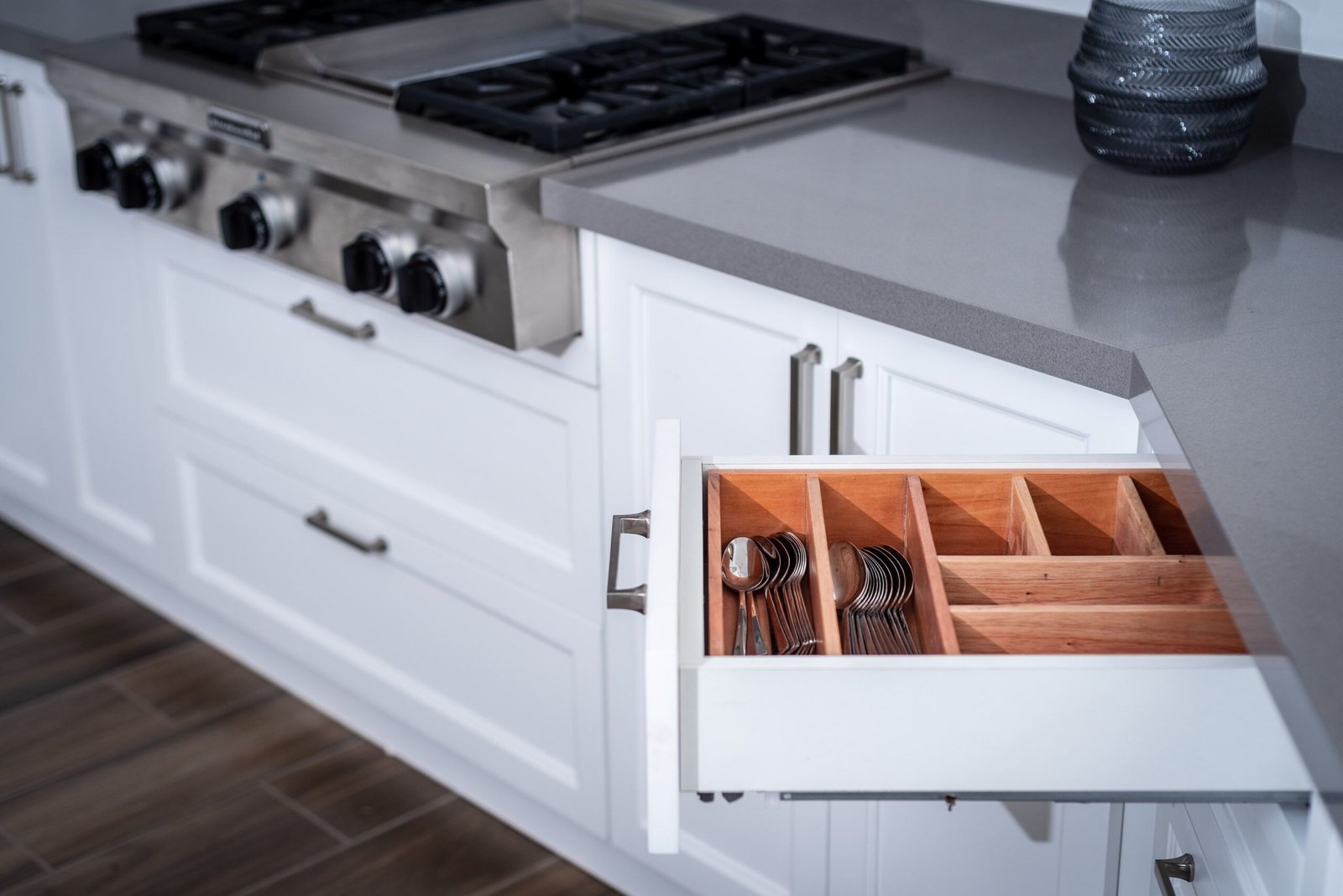
- Kitchen remodel with new cabinets, moved plumbing or new circuits: cabinet replacement needs a permit in the City of Naples; plumbing and electrical need permits everywhere.
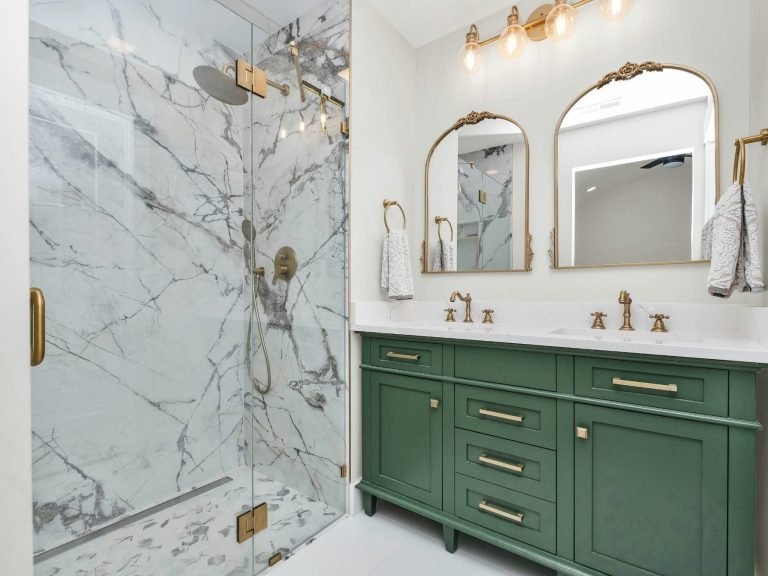
- Bathroom remodel (new vanity, tub-to-shower conversion, moved drains): plumbing, waterproofing, and in the city, vanity replacement.
- Removing or moving any wall: it may be load-bearing or fire-rated.
- New electrical circuits, panel upgrades, generators: electrical permit.
- Water heater relocation, repiping, new plumbing fixtures: plumbing permit.
- A/C system replacement: mechanical permit.
- Additions, lanai enclosures with walls or windows, garage conversions: structural and zoning review.
- Pools, spas, pool barriers and pool fences: structural and child-safety barrier rules.
- Docks, seawalls and elevated decks: structural, often plus environmental review.
- Demolition of a structure: demolition permit.
The rule of thumb: if it holds something up, keeps wind or water out, or carries power, water, gas or air, it needs a permit.
Naples projects that usually don’t need a permit
Both the City of Naples and Collier County publish lists of work that is exempt. Exempt work still has to meet the Florida Building Code; you are just skipping the paperwork and inspections.
No permit needed in the City of Naples or Collier County:
- Interior painting and wallpaper
- Flooring, carpet, and floor or wall tile
- Baseboards, crown moulding and finish trim
- Interior door replacement in the same opening
- Drywall patches up to two sheets that aren’t fire-related
- Swapping a faucet, toilet or sink fixture in the same spot
- Swapping a light fixture or ceiling fan on the existing box and wiring
- Replacing appliances, dishwashers and garbage disposals
- Replacing countertops and sinks in the same location
- Gutters and downspouts
- Roof repairs under 200 sq. ft.
- Playground equipment and swings
Where the city and county rules differ:
- Kitchen or bath cabinet replacement: permit required in the City of Naples; no permit in Collier County on a single-family home if nothing structural, plumbing or electrical changes.
- Like-for-like outlets and switches (120V, 20 amps or less): exempt in Collier County; not on the city’s exempt list, so ask first.
- Roof repair: Collier County also exempts repairs under $1,500, even if they are a bit over 200 sq. ft.
- Window and door repair (not the frame): Collier County exempts both if the opening doesn’t change; the city lists window repair only.
- Screening in an existing covered patio or lanai: exempt in Collier County; ask the city first.
- Like-for-like electric water heater up to 52 gallons: exempt in Collier County; ask the city first.
Sources: City of Naples “When do I need a Permit?” and Collier County Sec. 22-26 exemption list.
Notice the big one: replacing kitchen or bathroom cabinets needs a permit inside City of Naples limits, even with no plumbing changes. In unincorporated Collier County, the same cabinet swap on a single-family home is exempt. That is exactly why step one matters.
The gray areas: common Naples projects, explained
Do I need a permit to remodel my bathroom in Naples?
A cosmetic refresh (paint, new tile, new mirror, swapping the faucet and toilet in place) usually does not. Once you replace the vanity in the City of Naples, move a drain, convert a tub to a walk-in shower, add a new circuit or exhaust line, or touch a wall, you need one. Most full bathroom remodels need a permit.
Do I need a permit to remodel my kitchen?
New countertops and a sink in the same spot: no. New cabinets: yes in the City of Naples, generally no in unincorporated Collier County if nothing else changes. Moving the sink, adding an island with power or water, new lighting circuits, or removing a wall: yes, everywhere.
Do I need a permit to replace windows or doors?
Yes for replacements. Every new exterior window and door in Naples has to meet hurricane wind-load rules, so replacements need a permit. Repairing a window or door, without touching the frame or the opening size, is generally exempt.
Do I need a permit for new flooring?
No. Tile, luxury vinyl plank, laminate, carpet and wood flooring are exempt in both the city and the county. One catch: in a condo, your association may still require approval and a sound-rated underlayment.
Do I need a permit for a fence in Collier County?
Usually yes. Fences go through zoning review for height, setbacks and easements. Under the new 2026 rule, a qualifying non-pool fence under $7,500 can get a letter of exemption in Collier County, but you still apply through the county’s fence (PRFW) process with a site plan. Any fence that serves as a pool barrier always needs a permit.
Do I need a permit for pavers or a patio?
A paver patio or walkway at ground level is usually not a building permit item, but it can trigger zoning, drainage or right-of-way rules, especially near the street or a swale. Driveway work that touches the county or city right-of-way needs a separate right-of-way permit. Call before you dig.
Do I need a permit for a water heater?
In unincorporated Collier County, a like-for-like electric water heater up to 52 gallons on a single-family home is exempt. Gas units, tankless conversions, relocations and City of Naples properties: ask first, and expect a plumbing permit.
Do I need a permit to replace my A/C?
Yes. A full A/C system changeout needs a mechanical permit. Repairs like replacing a coil or compressor are typically exempt.
What’s different about permits in Naples
The new $7,500 permit exemption (Florida HB 803, effective July 1, 2026)
Florida’s CS/CS/HB 803 created a new exemption for owners of single-family homes, and their contractors, for work valued under $7,500. It sounds broad, but the fine print narrows it a lot:
- Not eligible, at any price: electrical, plumbing, mechanical, gas, or structural work. The City of Naples counts railings, guards, pool fences, windows and doors, siding and soffits, roofing and elevated decks as structural.
- No flood zones: properties partly or fully in a flood hazard area do not qualify. That rules out a large share of coastal Naples.
- No project splitting: you cannot break a $15,000 job into two $7,500 jobs.
- Single-family only: Collier County limits it to single-family detached homes, so condos and most townhomes are out.
- It is not automatic: you must submit a written exemption request with your contract or a scope-and-value document, and wait for an approval letter. In Collier County, that is the Administrative Review (PRAD) request on the GMCD Public Portal. In the City of Naples, it is the Permit Exemption Request Form.
In practice, this exemption helps with things like interior finish packages, cosmetic updates and some fences outside flood zones. It does not cover the projects most people actually worry about.
Flood zones and the FEMA 50% rule
Much of Naples sits in a FEMA Special Flood Hazard Area (Zones A and V). If your home is in one and sits below the required flood elevation, the 50% rule applies: when the cost of improvements or repairs equals or exceeds 50% of the structure’s market value, the whole home must be brought up to current flood code, which can mean elevating it.
What this means for your remodel:
- Permit applications in flood zones need a detailed cost estimate, often with a signed contractor affidavit.
- Both departments use the Collier County Property Appraiser’s structure value as the starting point (land value does not count).
- In Collier County flood zones, even exempt finish work like cabinets and tile may need a cost breakdown for the 50% calculation.
- The City of Naples has its own rules on how improvements add up over time. Ask the city Floodplain Coordinator at (239) 213-5039 before you plan phased projects.
Check your flood zone before you design anything. It can change the budget more than any finish choice.
Hurricane code
Naples is in a high-wind region, so roofs, windows, exterior doors, garage doors and shutters all have to meet wind-load and impact rules. That is why these “simple swaps” always need permits: the product, the fasteners and the installation are all inspected.
HOA and condo approval is a separate step
A building permit and HOA approval are two different things, and you often need both. Many Naples communities and condo associations require architectural review for exterior colors, windows, doors, roofs, pavers and even interior flooring in condos. Some associations will not let work start until they see the permit. Get both approvals before any work begins.
Who pulls the permit: you or your contractor?
Your contractor, in most cases. A licensed Florida contractor pulls the permit under their license, takes responsibility for code compliance, and schedules the inspections. If a contractor asks you to pull the permit as an owner-builder for work they are doing, treat that as a red flag: it often means they are not licensed for that work.
Pulling your own permit as an owner-builder is legal in Florida for your own home, with real strings attached:
- You are legally responsible for the work and for passing every inspection.
- Anyone you pay to help who is not licensed must work under your direct supervision as your employee, which can bring payroll and workers’ comp obligations.
- The home is meant for your own use. Collier County treats pulling more than one owner-builder permit to build a one- or two-family home within two years as evidence of contracting without a license.
What happens if you skip a required permit?
Skipping a permit rarely saves money in the long run. The risks include:
- Higher fees: Collier County charges four times the normal permit fee if work starts before the permit is approved.
- Stop-work orders and fines from code enforcement.
- Opening up finished work so inspectors can see the wiring, plumbing or framing, or tearing it out entirely.
- Insurance problems: an insurer may question a claim tied to unpermitted work, especially roofs and windows after a storm.
- Trouble selling: buyers’ inspectors and title searches flag open or missing permits, and you may have to permit the work after the fact before closing.
- Safety: inspections exist because hidden mistakes in electrical, plumbing and hurricane protection are the expensive and dangerous ones.
How the Naples permit process works, step by step
- Confirm your jurisdiction and flood zone. City of Naples or Collier County, and whether you are in a Special Flood Hazard Area.
- Get HOA or condo approval if your community requires it.
- Define the scope and get a written contract. The permit, the 50% rule review and any $7,500 exemption request all rely on a clear scope and value.
- Apply online. The City of Naples takes applications through its Public Portal; Collier County uses the GMCD Public Portal. Expect product approvals (windows, doors, roofing), drawings for structural changes, and a cost estimate in flood zones.
- Record a Notice of Commencement when required. Florida law requires one for most jobs over $2,500 (A/C repair or replacement under $15,000 is exempt). It protects you from paying twice if a supplier or sub goes unpaid.
- Plan review. Simple residential permits can move in days; remodels with drawings or flood review take longer.
- Post the permit and build. Keep the permit card and approved documents on site.
- Pass inspections at each required stage, such as rough-in, framing, insulation and final.
- Close out the permit. Make sure it shows as finaled. An open permit can follow your house to the closing table.
Collier County permits expire if work does not start within 180 days of issuance, so do not pull a permit long before you are ready.
Frequently asked questions about Naples permits
Do I need a permit to paint the outside of my house in Naples?
No building permit is needed for exterior painting in the City of Naples or Collier County. Your HOA may still need to approve the color.
Do I need a permit to repair hurricane damage?
It depends on the repair. Tarping, painting, carpet, tile and removing wet drywall generally do not need a permit. Roof replacement, windows, doors, structural repairs, and new electrical, plumbing or A/C work do. In flood zones, storm repairs also go through the 50% rule review.
Does the new $7,500 exemption apply to condos?
No. The HB 803 exemption covers single-family homes only. Collier County applies it to single-family detached structures, so condos and most townhomes still follow the normal permit rules.
Can I get a permit after the work is already done?
Yes, in most cases you can apply for an after-the-fact permit. Expect higher fees and possibly opening walls or ceilings so inspectors can see the work. It is cheaper to permit it up front.
How long does it take to get a permit in Naples?
Simple residential permits can be approved in a few business days. Remodels that need drawings, structural review or flood review usually take longer, and incomplete applications restart the clock.
How much does a building permit cost in Naples?
Fees are set by each department and are usually based on the job’s value or square footage, plus inspection and surcharge fees. Check the current fee schedule from the City of Naples or Collier County for your project type.
Can a handyman do work that needs a permit?
Only if they hold the right Florida license for that work. A handyman without a contractor’s license can’t pull permits, and electrical, plumbing and A/C work requires a licensed trade contractor. Always ask for a license number and verify it on the Florida DBPR website.
Do I need a permit to mount a TV, hang shelves or assemble furniture?
No. Mounting, hanging and assembly are not regulated building work, as long as you are not adding new electrical outlets or circuits.
Not sure if your project needs a permit?
Zagorodniy Handyman & Remodeling is a Naples-based, Florida Certified General Contractor serving Naples and the surrounding areas. We handle everything from small repairs that don’t need a permit to full kitchen and bathroom remodels that do, and when a permit is required, we pull it, schedule the inspections, and close it out.
Tell us about your project and we’ll tell you what it takes to do it right.
- Call: (239) 296-2367
- Email: Contact@ZHRNaples.com
- Contact: zhrnaples/contact-us.com
Quality Workmanship. Local Roots.
This article is general information, not legal advice. Building rules change, and the City of Naples and Collier County have the final word on your specific property. Confirm with your building department before starting work.
Sources
- City of Naples: When do I need a Permit?
- City of Naples: Building Permit Exemptions for Residential Properties (HB 803)
- City of Naples: Building in the Floodplain
- Collier County: Certain qualifying work under $7,500 and Sec. 22-26 exemptions
- Collier County: Work Exempt from Permit (PRAD)
- Collier County: Post Hurricane Information
- Florida Senate: SB 352 (2022) Notice of Commencement threshold